Article Description: Thinking about a Fibre Optics certification? Discover how this practical networking skill connects homes, businesses, and entire economies while creating career opportunities that remain in demand wherever high-speed internet exists.
You don’t actually want cables. Not deep down. What you want is a career that matters, work that puts you at the center of Kenya’s digital transformation, and skills that employers need today, not someday. Fibre optics gives you exactly that. While most people focus on software, cloud computing, or cybersecurity, they often forget that none of those technologies function without the physical networks carrying data from one place to another.
Every video call, online class, mobile money transaction, and cloud application depends on fibre optic infrastructure. Someone has to install it, test it, maintain it, and repair it when things go wrong. That someone could be you.
The Hidden Difference Between Knowing About Networks and Building Them
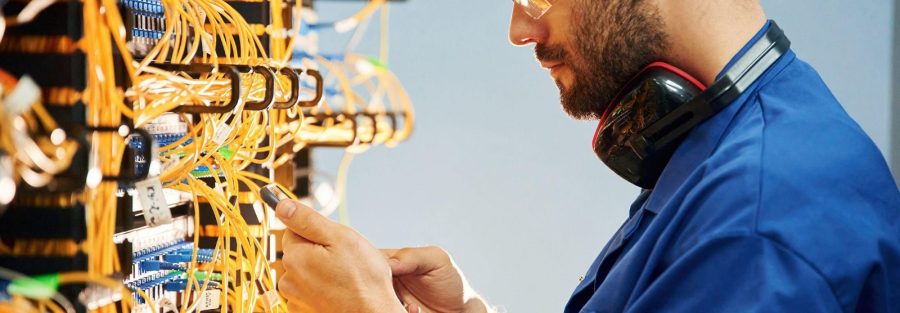
Most people understand that internet connections exist. Far fewer understand what it takes to make them work. There is a major difference between reading about fibre optic cables and actually terminating, splicing, testing, and troubleshooting them in the field. Employers know this difference. They need technicians who can confidently handle installations, identify faults, and restore connectivity quickly when network disruptions occur.
At the Institute of Advanced Technology, students spend time developing practical skills through hands-on training rather than relying solely on classroom theory. This approach ensures that graduates understand how fibre networks operate in real-world environments where accuracy and reliability matter.
The Infrastructure That Keeps Growing
Technology changes constantly. Devices become obsolete. Software evolves. Business models shift. But one thing remains consistent: the demand for fast, reliable connectivity continues to increase.
Governments, internet service providers, banks, hospitals, universities, and telecommunications companies are investing heavily in fibre optic infrastructure. Across Kenya and the rest of Africa, organizations continue expanding broadband access to support economic growth and digital transformation. Kenya’s government has spent Sh34.4bn expanding the national fibre-optic network, while the broadband market continues to grow at 6.9% driven by fibre-to-the-home deployments.
The expansion extends beyond borders. Kenya and Tanzania have launched a cross-border fibre link connecting the National ICT Broadband Backbone to Tanzania’s infrastructure, while subsea cable investment across Africa is projected to exceed $13 billion to meet skyrocketing data demands.
This creates ongoing demand for skilled fibre optic technicians who can install and maintain these critical networks. As long as organizations need fast and secure communication systems, fibre optic expertise will remain valuable.
Why Practical Fibre Optics Training Matters
A common mistake among aspiring technicians is assuming that watching online videos is enough preparation for the workplace.
In reality, fibre optic work requires precision. A poorly spliced fibre, incorrect testing procedure, or improperly installed connector can affect an entire network.
That is why structured training is important. At the Institute of Advanced Technology, learners gain practical experience with industry-standard tools, equipment, and installation procedures through hands-on, project-based learning. This hands-on approach helps bridge the gap between theory and professional practice, giving employers confidence in the skills graduates bring to the workplace.
The Investment That Makes Sense
Compared to many long-term academic programmes, Fibre Optics training at IAT offers a relatively affordable and direct path into the ICT industry.
The cost of training is often significantly lower than a university semester, yet the skills gained can lead directly to employment opportunities in telecommunications, internet service provision, network infrastructure projects, and technical support roles.
More importantly, fibre optic skills are transferable. Whether you’re working in Kenya, East Africa, or internationally, organizations require technicians who understand modern communication infrastructure.
It Works with Whatever You Already Have
You don’t need an advanced technical background to begin learning fibre optics.
If you already have an ICT qualification, fibre optics adds a specialized skill that strengthens your employability. If you’re currently studying networking or information technology, fibre optics provides practical experience that complements your academic knowledge.
Even if you’re completely new to technology, the Fibre Optics programme at the Institute of Advanced Technology is designed to help you develop practical competencies step by step, building confidence as you learn.
Where This Actually Takes You
Fibre Optics certification can open doors to opportunities such as fiber optic technician, network installation technician, telecommunications technician, infrastructure support specialist, and broadband installation engineer.
The skills also provide an excellent foundation for further specialization in networking, telecommunications, data center operations, and advanced network infrastructure technologies.
Rather than being a standalone qualification, fibre optics often becomes the starting point for a long-term technical career.
Fibre Optics: The Foundation of the Digital World
At the Institute of Advanced Technology, our Fibre Optics training programme combines theory with extensive practical experience to prepare students for real industry environments. You will learn installation techniques, fibre splicing, cable termination, testing procedures, troubleshooting methods, and industry best practices using professional equipment.
Our instructors bring real-world experience from telecommunications and network infrastructure projects, ensuring that what you learn reflects current industry requirements.
Whether you’re seeking your first ICT role, expanding your technical skills, or positioning yourself for opportunities in the growing telecommunications sector, explore all the courses offered at IAT and discover how Fibre Optics training provides a practical pathway toward a rewarding career.
Ready to start? Enrol in our Fibre Optics course today or speak with an advisor at the Institute of Advanced Technology to discover how this in-demand skill can support your career goals.
Blog Writer:Ruth Mwangi(IAT-Buruburu Branch)